Photo collection of social activism through street art in Florentine, Tel Aviv:


Translates to “No Children, No Terror Attacks”


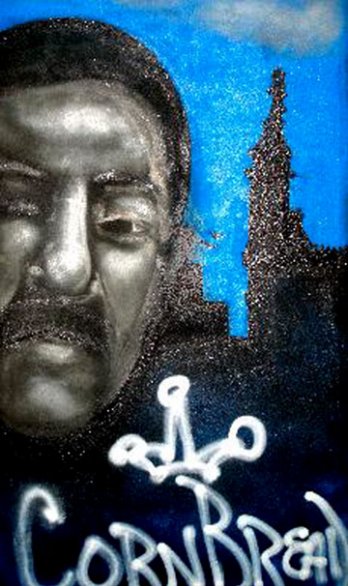
Jon E. Bekken, chairman of Albright College’s communications department realized McCray’s value as a knowledgeable expert in street art and invited the artist to speak at the school. “I’m interested in a wide range of communications, in particular in ways in which people who don’t have access to media outlets try to get a voice,” Bekken said. McCray gave some pointers to prospective taggers of the college: “If you’ve got the talent to do graffiti, you can get paid for it. But don’t go out and vandalize.”


SOURCE:
Jose Clemente Orozco (1883-1949) was a well-known Mexican muralist and political cartoonist of the first half of the 20th century. As he grew up in Mexico City, Orozco discovered his passion for art. From 1910-1916, Orozco worked as a cartoonist for the magazine El Hijo de Ahuizote where he expressed a great deal of social commentary regarding the Mexican Revolution. By the 1920s, Orozco had found his preferred medium in murals. Though, his commentary was still abundant. His political commentary expanded from the Revolution to his concerns about dehumanization through technology and the changing of morals Orozco witnessed.

HISPANO-AMERICA (1934) is one of Orozco’s murals which frames a Latin-American peasent using his (human) rights to protest imperialist oppression.
SOURCES:
http://www.dartmouth.edu/~library/Orozco/part2.html
www.artforsocialchange.net is a world-wide project initiated by Dutch artist Rini Hartman. The site expresses the goals of the program:
“A belief in cultural and creative expressionism as a means to affect deep and lasting social change. Through art, we can challenge many of our society’s deepest assumptions, built upon the power of artistic creation and expression to:
*Spark new ideas
*Catalyze critical thinking
*Elicit new actions
*Inspire individuals
*And create visions
Art becomes a political act, a conscious effort to facilitate and participate in social change. If we want respect, love and beauty among us and others, we must actively promote it through our art.
This site shows different ways of using art, which may inspire you.”
8 VISIONS OF HOPE

At the 2000 United Nations Millennium Summit, 189 world leaders signed onto the Millennium Declaration and agreed to meet the Millennium Development Goals (MDGs). MDGs was initiated as a way to set goals to improve the lives of the world’s poorest people. Rini Hartman created the 8 VISIONS OF HOPE project to create awareness of MDGs. 8 Visions of Hope often approaches subjects such as poverty and human rights.